Septic Inspection & Repair — Dublin, GA & Laurens County
Dublin & Laurens Septic provides septic inspection and repair services throughout Dublin and Laurens County, Georgia — including baffle replacement, riser installation, distribution box repair, and written septic system inspection reports for real estate transactions.
Dublin & Laurens Septic provides septic inspection and repair services throughout Dublin, GA and Laurens County, Georgia. We offer comprehensive septic tank inspection, emergency septic repair, baffle replacement, riser installation, and drain field assessments for residential and commercial properties. Every septic inspection we perform is thorough and honest — we diagnose and fix septic problems before they become expensive system failures.
How Much Does a Septic Inspection Cost in Dublin, GA?
A septic system inspection in Dublin, GA typically costs $200 to $450 depending on system size and access. When included with a pump-out, the inspection is part of the service at no extra charge. Georgia EPD requires all septic work to meet state permitting standards — a professional septic inspection is necessary before any repair or system modification can be legally permitted in the Dublin area.
What Is a Septic System Inspection in Dublin, GA?
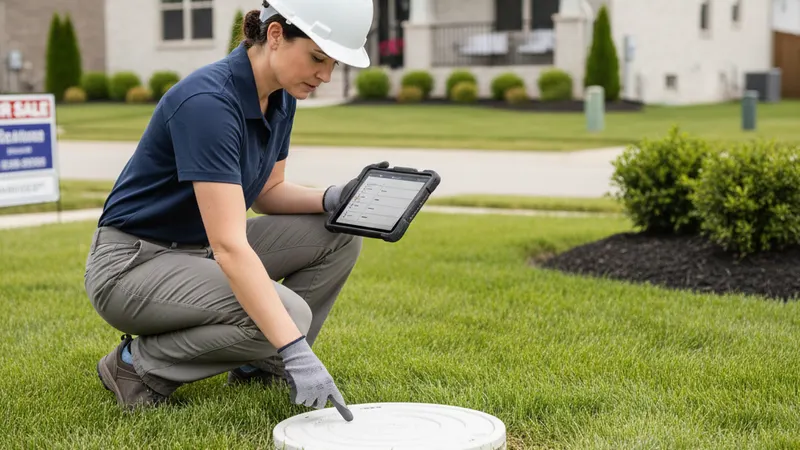
A septic system inspection is a professional assessment of your entire system — covering the septic tank, inlet and outlet baffles, risers, lids, distribution box, and visible drain field surface — to determine whether the system is functioning correctly and identify any components at risk of failure. In Dublin, GA and Laurens County, most homeowners should schedule a septic inspection every 3 to 5 years, or any time they notice warning signs like slow drains, sewage odors, or soggy ground near the septic field.
What Our Septic Tank Inspection Covers
A thorough septic inspection goes beyond just opening the tank lid and looking inside. Dublin & Laurens Septic performs a full septic tank inspection of the entire accessible system — from the inlet pipe where waste enters the tank, through the tank itself, to the outlet and distribution system that feeds the drain field. We treat every septic evaluation as an opportunity to give you a complete, honest picture of your system's health — not just a quick glance to collect a fee.
- Tank condition: checking for cracks, deterioration, and water levels
- Baffle inspection: inlet and outlet baffles should be intact and functioning
- Riser and lid condition: proper sealing prevents groundwater contamination
- Distribution box: even flow to drain field zones
- Drain field surface: no surfacing effluent or soggy areas
- Visible pipe condition between tank and field
Septic Repair Services in Dublin, GA
Most septic system repairs don't require excavating the entire system. Many of the most common septic tank repair needs are components we can access and replace in a single visit — the same visit as your septic inspection. Whether you need emergency septic repair in Dublin, GA or routine maintenance in Laurens County, our goal is always to solve the problem with the minimum necessary work — and we'll tell you upfront exactly what's needed and what the septic repair cost will be before we lift a shovel.
- Baffle replacement: Baffles that have deteriorated, collapsed, or gone missing allow solids to pass into the drain field — causing catastrophic failure over time. We replace them with durable PVC tees.
- Riser installation: If your tank lid is buried under the lawn, we install concrete or plastic risers to bring access up to ground level — making future pump-outs faster and cheaper.
- Lid replacement: Cracked, missing, or poorly sealed tank lids are a safety hazard. We replace them with properly fitting lids that seal out groundwater and keep children and animals safe.
- Distribution box repair: A tilted or cracked D-box causes uneven flow to drain field zones, overloading some while starving others. We level, reseal, or replace them.
- Inlet/outlet pipe repair: Broken or disconnected pipes between the house and tank, or tank and field, can cause backups or bypass treatment entirely.
- Effluent filter cleaning and replacement: Many modern tanks include an effluent filter on the outlet baffle to catch solids before they reach the drain field. We clean or replace clogged filters during routine pump-outs and inspections.
- Septic tank locating: If you don't know where your tank is buried, we locate it before any service visit — using probing and visual inspection to find the access points without unnecessary digging.
- Line clearing (hydro-jetting): Partially blocked inlet or outlet lines between the house and tank can sometimes be cleared without excavation. Hydro-jetting uses high-pressure water to restore flow in clogged septic lines.
Before any major septic repair or system replacement, proper site preparation is essential — especially in Laurens County where dense vegetation and uneven terrain are common. Clearing brush, removing stumps, and grading the installation area ensures equipment access and proper system placement. If your repair project requires significant site work, land clearing services in Dublin can handle forestry mulching, brush removal, and site grading to prepare your property for septic work. Proper site prep from the start prevents installation delays and ensures your new or repaired system is positioned correctly.
Catch Septic Problems Early Before They Cost More
The difference between a $200 baffle replacement and a $5,000 drain field repair is usually just timing. Baffles that fail and go unnoticed allow raw solids to travel directly into the drain field, clogging the soil absorption layer. Once that happens, restoration is expensive and sometimes not possible without full replacement. A single septic inspection visit costs far less than the repairs it prevents.
During every pump-out we perform in Dublin and Laurens County, we include a visual septic evaluation of accessible components at no extra charge. If we spot a baffle problem, a leaking lid, or an uneven distribution box, we tell you — and you decide whether to address it now or later. We never manufacture urgency. If something can wait, we'll say so. If it can't, we'll explain exactly why and show you the evidence.
When to Schedule a Septic System Inspection in Dublin, GA
- Before purchasing a home with a septic system — a pre-purchase septic inspection is the only reliable way to know the system's condition before you buy
- Every 3–5 years alongside your routine septic tank pumping in Laurens County
- After a septic backup or emergency septic service call
- If you notice slow drains, sewage odors, or wet spots in the yard — these warrant a prompt septic inspection
- When adding to a home (extra bedrooms, bathrooms, or guest house)
- Before installing a new septic system — if you're building or expanding, a perc test of the soil determines what type of system the site can support under Georgia EPD regulations
Properties undergoing septic replacement or major repairs often need a comprehensive septic evaluation of all utility systems, especially if you're buying or developing rural land in Laurens County. Well water quality and well system functionality should be assessed alongside a septic system inspection to understand your property's complete infrastructure. For rural properties in Dublin, GA, well drilling and inspection services can identify well pump issues, test water quality, and ensure your water supply system is as reliable as your septic system.
Septic system replacement or major repair work requires heavy equipment on your property — and that equipment needs a solid access route. If your driveway or access road can't handle a loaded service truck, repair work gets more complicated and more expensive. Properties planning septic replacement should also consider whether the driveway is in good enough shape to support the project. Dublin Gravel provides driveway installation and grading services throughout Laurens County, ensuring your property is ready for the equipment a septic repair or replacement requires.
Septic Repair vs. Replacement in Laurens County
Septic repair vs. replacement is one of the most common questions homeowners in Dublin and Laurens County face after a system failure. The right answer depends on the type and severity of the damage — and a proper septic inspection is the only way to know for certain. The decision should never rest on what a contractor wants to sell you.
- Can septic systems be repaired? Yes — most septic systems can be repaired rather than replaced, depending on which components have failed. Baffle replacement, riser installation, lid replacement, and distribution box repair are all repairs that restore system function without replacing the tank or drain field.
- Do septic tanks need to be replaced? Not in most cases. A concrete septic tank with intact walls and proper connections can last 30 to 40 years with proper maintenance. Replacement is warranted when a tank has structural failure — collapsed walls, severe cracking, or a compromised base — that makes repair impractical or unsafe.
- Why would a septic tank need to be replaced? The most common reasons for full tank replacement in Laurens County include severe structural cracking or collapse, tanks that have sunk or shifted due to soil movement, and older tanks with no accessible risers and significant internal corrosion. In some cases, a tank that has failed repeatedly despite repairs is more cost-effective to replace than continue patching.
We give you an honest assessment before recommending anything. If a repair will solve the problem, we'll repair it. If replacement is genuinely the right call, we'll explain exactly why and give you an upfront cost comparison.
Septic System Types We Inspect in Laurens County
Dublin & Laurens Septic performs septic inspection and repair on all common system types found throughout Laurens County, Georgia. Understanding your system type helps us conduct a more accurate septic evaluation and recommend the right repair approach.
- Conventional gravity-fed septic systems — The most common system type in Laurens County and rural Georgia. Wastewater flows by gravity from the home to the tank and from the tank to the drain field. These are the most straightforward to inspect, maintain, and repair.
- Pressure-dosed septic systems — Used on sites where gravity-fed systems aren't feasible due to slope or soil conditions. Effluent is pumped in controlled doses to the drain field. Gravity-fed vs. pressure-dosed septic systems — both common in rural Georgia counties — require different maintenance schedules and different repair approaches.
- Aerobic septic systems — Aerobic septic system service involves more components than a conventional system: air pumps, treatment chambers, and spray heads or distribution lines. These systems require more frequent maintenance but treat wastewater more thoroughly before it reaches the soil.
- Concrete septic tanks — The dominant tank type in Laurens County. Concrete septic tank repair typically involves addressing cracks, replacing failed baffles, and installing risers where buried access is the issue. Properly maintained concrete tanks can last for decades.
- Plastic and fiberglass tanks — Less common but increasingly used in new installations. Lighter and easier to install, but require inspection for shifting, cracking, or floating in high water table conditions.
- Mound systems — Used in areas with high water tables or shallow soil depth, mound systems elevate the drain field above the native soil. Less common in Laurens County but present in some low-lying areas.
The average septic system lifespan in Georgia is 20 to 30 years with proper maintenance — meaning most systems in Laurens County will need at least one significant repair during their service life. Tank access risers are code-required for new installs in many Georgia counties, and we recommend adding them to older systems to simplify future maintenance and reduce service costs.
Georgia Septic Permits & Regulations
In Georgia, septic system installation and major repairs are regulated by county health departments operating under authorization from the Georgia Environmental Protection Division (EPD). In Laurens County, the local permit process is administered by the Laurens County Health Department. A septic inspection is often required as part of the permit review process — understanding these requirements helps Dublin, GA homeowners avoid costly delays and compliance issues.
- Georgia EPD septic permit: All new septic installations in Georgia require a permit issued through the county environmental health office under Georgia EPD septic permit regulations. The EPD sets statewide standards; county health departments administer the local process.
- Georgia septic system regulations: Georgia septic system regulations govern minimum tank size, drain field sizing based on perc test results, setbacks from property lines, wells, and water bodies, and system type requirements based on lot size and soil conditions.
- Georgia septic setback requirements: Georgia septic setback requirements specify minimum distances between a septic system and structures, property lines, wells, and surface water. In Laurens County, these setbacks are enforced at the permit stage — violations can require costly relocation of system components.
- County health department septic permit Georgia: In Laurens County, septic permit applications are processed through the Laurens County Environmental Health office. Georgia county health departments administer septic permits under EPD authorization — they review perc test results and issue permits before installation can begin.
- Do all counties in Georgia require a perc test? Yes. Georgia requires a soil percolation test (perc test) for all new septic system installations statewide. The perc test determines how quickly water moves through the soil and is used to size the drain field. Results are submitted to the county health department as part of the permit application.
Septic Inspection & Repair in Dublin, GA and Laurens County
When you need a trusted septic repair company in Laurens County, you want someone who diagnoses accurately, repairs correctly, and charges fairly. Every job starts with a complete septic inspection — we don't guess or patch symptoms. Here's what you get with our services:
- Septic inspection included with every repair: Every septic repair starts with a thorough septic tank inspection — we document what we find before any work begins
- Upfront septic repair cost estimates: We tell you the exact repair cost before we start — no surprise invoices
- Local Laurens County experience: We perform septic inspection and repair throughout Dublin, Dexter, Rentz, and the entire county
- Emergency septic repair available: 24/7 response for urgent septic system problems — nights, weekends, holidays
- Quality septic repair workmanship: We use durable components and stand behind every septic repair we complete
- No upselling: We only recommend septic repairs that are necessary — we'll tell you if something can wait
Need a septic inspection or dealing with a septic tank problem in Dublin, GA? Request service online at our quote form. We serve all of Dublin and Laurens County with reliable septic inspection and repair services.
Septic Line Repair in Dublin, GA & Laurens County
Septic line repair covers the pipes that move wastewater from your house to the tank and from the tank to the drain field. Three sets of lines are most likely to fail in Laurens County: the inlet line running from your home to the tank's inlet baffle, the outlet line running from the tank to the distribution box, and the distribution lines branching out through the drain field. When any of these fail, the entire system backs up — even if the septic tank inspection shows the tank itself is in good condition.
The most common causes of septic line failure in this area are root intrusion from trees and shrubs seeking moisture, pipe separation at joints from ground movement in Laurens County's heavy clay soil, and cracked or collapsed pipe sections in older systems with deteriorated plastic or clay tile lines. Root intrusion in particular can happen quickly — tree roots can work into a small joint gap and fill a pipe within a single growing season.
Our septic repair approach depends on what the line inspection reveals. Partial blockages from roots or buildup can often be cleared with hydro-jetting — high-pressure water that scours the pipe without excavation. Separated joints, cracked sections, or fully collapsed pipe require excavation and replacement of the damaged segment. We assess the line condition before recommending any approach and give you a clear cost estimate before any digging begins. A perc test is not required for line repairs, and septic line repair is part of the same repair scope we handle on every service call in Dublin, GA — no separate contractor needed.
Septic Inspection: Simple Process, Clear Results
Use the form below. We'll confirm your Dublin, GA or Laurens County location and set up a time that works for you.
We inspect the tank, baffles, risers, lid condition, and distribution system. We take notes and photos of any issues we find.
You get a straightforward explanation of what the septic inspection found — good and bad. No jargon, no scare tactics, just the facts.
If septic repair is recommended, we give you an upfront price. Most common repairs can be completed the same day as the inspection.
Septic Inspection & Repair Questions — Answered
Common questions from Dublin, GA and Laurens County homeowners about septic inspection and repair.
What does a septic system inspection include?
Our septic inspection covers the tank interior (condition, water levels, scum and sludge layers), inlet and outlet baffles, riser and lid condition, visible pipe connections, and a surface assessment of the drain field area. We document what we find and explain it clearly before we leave. Every pump-out we do in Dublin, GA and Laurens County includes a basic visual septic evaluation at no extra charge.
How long does a septic tank inspection take?
A thorough septic inspection combined with a pump-out typically takes 60 to 90 minutes for a standard residential system in Dublin, GA or Laurens County. An inspection-only visit usually takes 30 to 45 minutes. Systems with buried lids or difficult access may take longer.
What kinds of septic repairs do you handle?
We replace inlet and outlet baffles, install risers to bring buried tank access to ground level, replace cracked or missing lids, repair or replace distribution boxes, and address broken inlet/outlet pipe connections. Most common septic repairs in Laurens County can be completed the same visit as the septic inspection — no return trip needed.
Do I need a written septic inspection report?
For routine septic inspections in Dublin, GA, we give you a verbal summary and note any issues. For real estate transactions in Laurens County, we provide a written septic inspection report suitable for lender review — see our Real Estate Septic Inspection page for details. If you need documentation for insurance or permitting, let us know in advance.
Do I need a septic inspection if my tank was just pumped?
A pump-out alone doesn't verify the condition of baffles, risers, or distribution equipment. If the company that pumped your tank didn't conduct a septic inspection and report on baffle condition, lid integrity, and the distribution box, there may be issues that haven't been identified in your Laurens County system. A dedicated inspection is worth scheduling separately.
Can a septic system be repaired in Dublin, GA?
Yes — most septic systems in Laurens County, Georgia can be repaired rather than replaced, particularly when the issue is limited to components like baffles, risers, lids, distribution boxes, or inlet/outlet pipes. A failed baffle or cracked lid is almost always repairable. A tank with collapsed walls or a completely saturated drain field may require replacement. We assess each system honestly and tell you what's needed before recommending any work.
Do you need a septic permit in Georgia?
Yes. In Georgia, all new septic system installations require a permit through the county environmental health office under Georgia EPD authorization. In Laurens County, the permit process begins with a soil percolation test (perc test) to determine what size drain field is required. The county health department reviews the perc test results and issues the permit before installation can begin.
What is a perc test and do I need one in Georgia?
A perc test — short for soil percolation test — measures how quickly water moves through the soil at a proposed septic system site. In Georgia, a perc test is required before a new septic system can be permitted and installed. The test is performed by a licensed soil classifier or environmental health professional and submitted to the county health department as part of the permit application. In Laurens County, the red clay soil common throughout the area has low permeability compared to sandy soils, which means perc test results directly affect the required drain field size and system design. A septic inspection of the proposed site often accompanies the perc test process — results are used to size the drain field appropriately for Dublin, GA soil conditions.
Do you repair septic lines?
Yes. Septic line repair covers the inlet and outlet pipes connecting your house to the septic tank, as well as the lines running from the tank to the drain field. Common issues include root intrusion, pipe separation at joints, and cracked connections from ground movement. We assess the line condition first — hydro-jetting can clear partial blockages, but broken or collapsed sections require excavation and pipe replacement.
Schedule Your Septic Inspection
Ready to schedule a septic inspection or have a question about your system in Dublin, GA or Laurens County? Fill out the form and we'll follow up same day.
Get Free Quote
Use our online request form — we respond fast, usually same day. For 24/7 emergencies, we're always available.
Request a Quote